Howey-in-the-Hills Guide to What Changes the Scope of a Gutter Project
If you have ever started what seemed like a simple gutter job and watched it turn into a broader exterior drainage project, you already understand the basic truth here: gutters are never just gutters. In Howey-in-the-Hills, the scope shifts because water has to go somewhere, and in Florida that question matters more than many homeowners expect.
This part of the state deals with heavy summer rain, tropical weather, long humid stretches, and bursts of runoff that can test even a decent-looking system. A project that begins with, “I just need new gutters,” often ends up involving downspout placement, splash control, landscape protection, cleaning access, color approval, and sometimes roof-specific details. That is not a sales trick. It is usually the result of looking at how the home sheds water in real conditions.
The most useful way to think about scope is this: the gutters themselves are only one piece. The real project is roof drainage.
Why scope changes once someone looks past the eaves
A homeowner may call for a replacement because a section sags or overflows. Then someone walks the perimeter and notices the downspouts empty too close to the foundation, or discharge into an area that stays soggy after storms. In Florida, that matters. Guidance for Florida landscapes consistently emphasizes directing runoff away from the house and into areas that can absorb water, such as lawn, planting beds, rain gardens, or other pervious spaces. That approach helps reduce erosion, manage stormwater on site, and avoid pooling near the foundation.
That one principle changes a lot.
If an installer sees that the current downspouts dump onto a narrow strip of soil that is already washing out, the job may need more than fresh gutter material. It may need better downspout locations or discharge planning. If a patio, walkway, screen enclosure, or planting bed limits where water can go, the layout becomes more complicated. The gutter run itself might be easy. The water path is the harder part.
This is one of the biggest gutter installation cost factors Florida homeowners run into. The labor and material involved in hanging gutters may be fairly straightforward compared with the judgment required to move water in a way that protects the house and yard.
The roofline tells you whether the job is simple or not
On paper, two houses can have similar square footage and very different gutter scopes. A compact rectangular roof with clean edges is one thing. A roof with multiple corners, https://reidymoj740.focalledger.com/posts/when-gutter-replacement-makes-sense-in-gainesville-fl changing elevations, or interrupted fascia is another.
Even without getting into unsupported technical claims, common sense applies here. Every extra transition adds decision points. Where should water collect? Where should it exit? Can it be directed to turf or planting areas that can absorb runoff? Will one downspout location create a muddy trench beside the home while another avoids that problem?
In Howey-in-the-Hills, I would pay particular attention to what happens during a strong summer downpour. Many homes look fine in light rain. It is the fast, warm-season storm that reveals where the project really needs to go. Water sheets off the roof, skips over a clogged area, or pours out near a walkway. That is when “replace what is there” stops being enough.
A thorough contractor usually expands the discussion at that point. Not because they are trying to complicate the sale, but because copying a flawed layout is rarely a smart long-term move.
Downspouts are where the real design work happens
Homeowners tend to focus on the visible gutter line. The more important question is often what happens at the bottom of the downspout.
Florida-friendly guidance repeatedly points back to a simple goal: keep runoff on site where possible, and direct it into places that can absorb it. That can mean turf, beds, rain gardens, rain barrels, cisterns, or similar pervious areas, depending on the property. The key idea is to avoid letting water pool at the base of the house or rush across hard surfaces in a way that causes erosion or nuisance wet spots.
That is why the scope can change quickly during an estimate. If the lot gives you obvious, absorbent landing zones, the project may stay fairly contained. If there are obstacles, the planning gets more detailed.
A few examples make this clearer. A downspout that currently empties beside the front entry may be staining the area and leaving slick conditions after storms. Another may pour behind shrubs where no one notices the issue until mulch washes away. A rear corner near the pool deck may have no good discharge spot without affecting the outdoor living area. None of those conditions automatically calls for a giant project, but each one pushes the job beyond basic replacement.
Pool cages and outdoor living areas change everything
One of the most common scope expanders in Florida is the backyard layout around a screen enclosure or pool area. Gutter drainage for pool cages is not just about avoiding puddles. It is about keeping runoff from creating messy overflows, eroding adjacent soil, or pushing water into spaces where people actually spend time.
UF/IFAS guidance around outdoor areas reinforces the need to manage roof runoff carefully so it does not wash out soil or create nuisance conditions. If a home has a covered lanai, cage, deck, or tight hardscape behind the house, discharge options may be limited. That means the installer has to think through where roof water can go without turning the entertainment side of the property into the wettest part of the lot.
This is one of those moments where a low price on paper can hide a weak plan. A contractor can absolutely install gutters in a technically acceptable way and still leave the homeowner with annoying overflow zones or runoff that dumps where it is least useful. The scope needs to account for how the backyard functions, not just how the fascia looks.
Metal roofs can shift the conversation
When homeowners ask about gutters for metal roofs Florida projects, they are usually asking whether a standard approach still applies. The answer, at least in scope terms, is that roof type can trigger a closer look at how fast water sheds and where it lands.
Without inventing technical claims that are not supported here, it is fair to say that different roof systems can change how water is collected and directed. If the roof pushes runoff in concentrated ways, that may affect gutter placement, the number of downspouts, or how carefully discharge areas need to be chosen.
The important thing is not to assume that any roof material automatically makes the job larger or smaller. It simply means the estimate should be based on observed water behavior and practical drainage goals. That is one reason blanket pricing often leads to mismatched expectations.
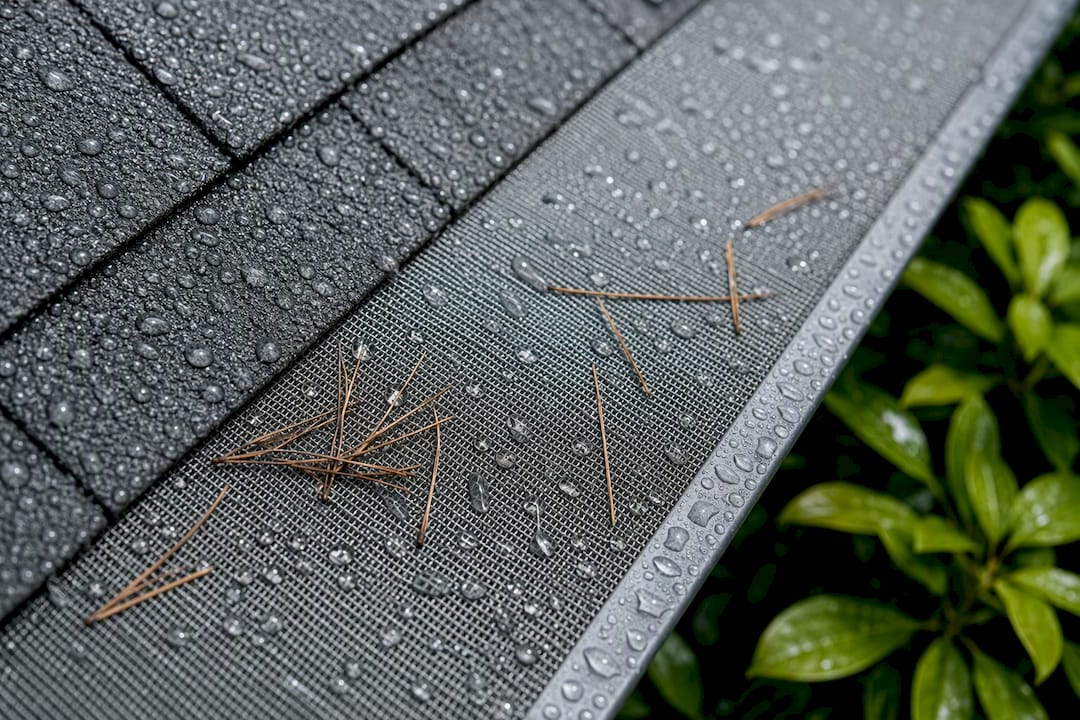
The existing condition matters as much as the new installation
A project can start as new installation and turn into repair, correction, or partial rebuild once someone sees what is already there. Gutter repair Hawthorne FL or gutter cleaning Dunnellon FL may sound like unrelated search terms, but the homeowner concern behind them is often the same: is this a maintenance issue, or is the system wrong for the house?
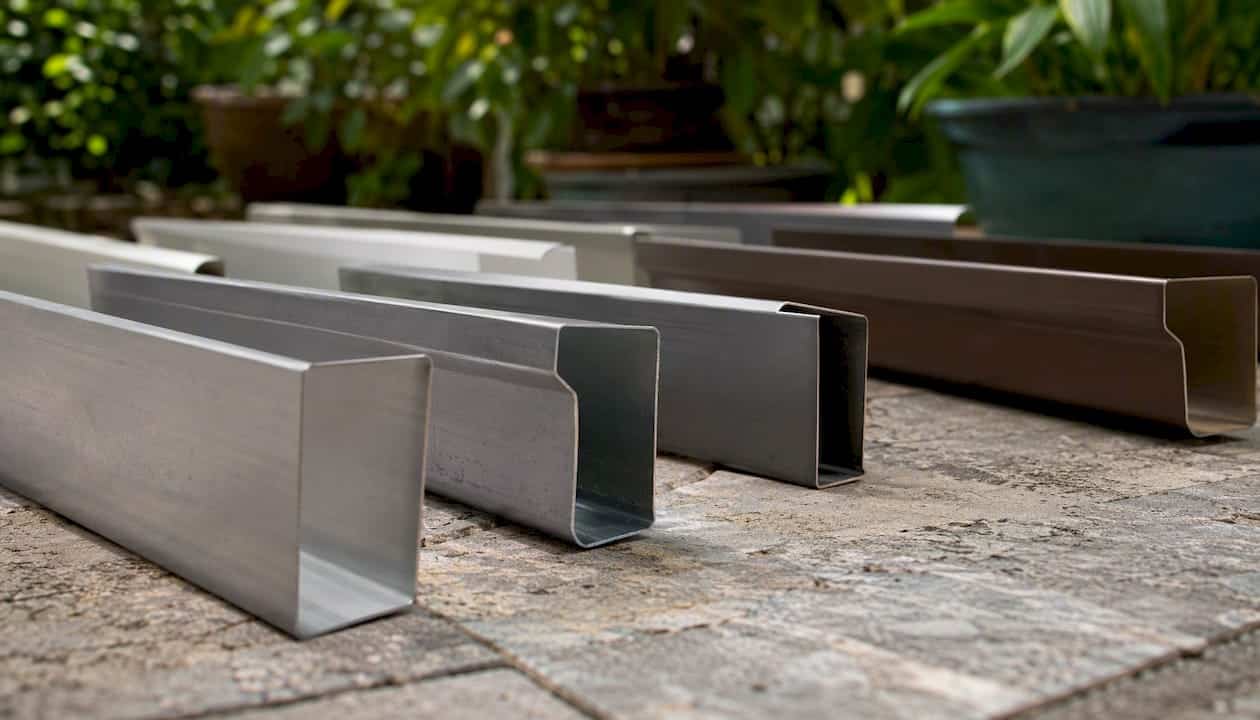
Florida homes need routine upkeep because debris and leaf litter contribute to drainage problems. That is not a minor footnote. It changes scope all the time. A homeowner may think the gutters failed when the immediate problem is blockage. Another may clean them repeatedly and still have overflow because the discharge path is poor. Someone else may have a section that is serviceable on its own, but the bigger issue is that runoff is soaking the same corner of the foundation every week in rainy season.
This is where DIY gutter cleaning or hire a pro becomes a real decision rather than a generic maintenance question. If the issue is straightforward debris and the homeowner can safely access the area, cleaning may restore function. But if overflow keeps happening after cleaning, or if the water is ending up in the wrong place, the project scope has moved beyond maintenance.
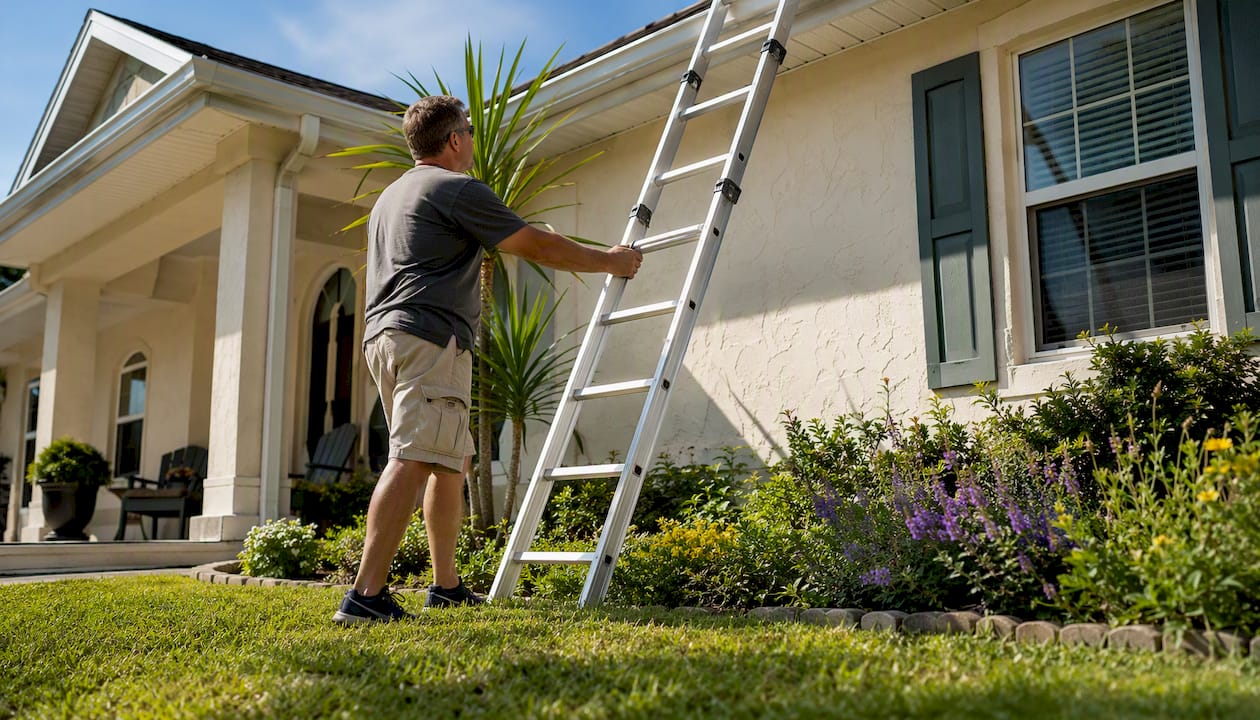
A lot of Florida gutter myths Florida homeowners hear come from mixing up those two categories. People assume gutters are unnecessary because they have lived in homes without them. Or they assume any overflow means the system needs replacement. Both are oversimplifications. The better question is whether the roof runoff is being controlled in a way that protects the home, foundation area, and landscape.
Color choices can pull in HOA review
Gutter colors for Florida homes may sound purely cosmetic until an HOA enters the picture. In communities with exterior review requirements, color and appearance standards can affect the project timeline and product choices. Florida law gives associations authority over exterior appearance standards, including color and style specifications related to exterior products, but those standards still have to comply with the building code and cannot be used to deny conforming installations on that basis alone.
For the homeowner, the practical effect is simple. A color decision can expand the scope from installation to installation plus approval. That is not a construction issue, but it is still part of the project. If the neighborhood expects a certain finish or style, the homeowner may need to account for review time before work starts.
This comes up more often than people expect. Someone is ready to replace aging gutters and then realizes that a preferred color has to be checked against community standards. Another homeowner wants a more visible contrast and learns that matching the trim is the smoother path. The physical work has not changed, but the scope has.
Guards, cleaning plans, and long-term upkeep affect the job from day one
Some owners only want the installation. Others want the installation to solve their maintenance burden too. That is where discussions about gutter guards Mount Dora FL or a year-round gutter checklist Florida homeowners can actually use start to matter.
A guarded system is not the same project as an unguarded one if the goal includes reducing routine debris buildup. It is still not a maintenance-free system, and that is worth saying plainly. Florida guidance on home upkeep makes clear that gutters and downspouts require maintenance because debris contributes to drainage problems. A homeowner who starts with “I want new gutters” may end up expanding the scope to include easier access, a maintenance plan, or accessories aimed at cutting down on repeated cleaning.
That does not mean every house needs guards. It means the scope should reflect the owner’s tolerance for upkeep. Some people do not mind seasonal cleaning. Some never want to get near a ladder again. Others already know a particular side of the house catches leaf litter every time the weather shifts. The right scope matches the property and the person.
Seamless, sectional, repair-first, replacement-first
Even common terms can make scope sound simpler than it is. Seamless gutters Williston FL may be a phrase a homeowner searches because they want fewer joints and a cleaner look. Fair enough. But the broader issue is whether the house needs a fresh run, a partial replacement, or a more comprehensive drainage rethink.
On one home, a seamless replacement of the same layout could be the right move. On another, preserving the same pattern would repeat the same runoff problems. There is no universal answer that makes sense without seeing where water is going now and where it ought to go instead.
That is why experienced contractors often spend more time at the corners and downspout exits than at the center spans. The visual line of the gutter matters, but drainage performance matters more.
Questions that often reveal the true scope
A short conversation can uncover whether the job is basic or layered. These are the kinds of questions that usually move the estimate in one direction or another:
- Where does the water go after it leaves the downspout?
- Are there spots near the foundation that stay wet or attract pests?
- Does runoff cross walkways, patios, or pool areas?
- Are you trying to reduce cleaning frequency, or only replace damaged sections?
- Does your HOA care about gutter colors or exterior appearance?
Those answers shape the real project faster than almost anything else.
A practical way to think about cost without pretending there is one formula
People want hard numbers, but the honest answer is that gutter installation cost factors Florida homeowners deal with are tied to complexity more than to a single headline price. The scope usually grows when the job includes drainage planning, difficult discharge locations, maintenance concerns, pool-adjacent runoff issues, appearance review, or correction of existing water problems.
A cheap quote can still cost more over time if it leaves water pooling where it should not. A more complete proposal may look bigger up front because it addresses the actual runoff pattern instead of the visible hardware alone.
That does not mean the most expensive option is the best one. It means you should read the scope carefully. Does it mention where downspouts will discharge? Does it reflect the landscape and hardscape around the home? Does it acknowledge maintenance? Does it solve the reason you called in the first place?
Those are better buying questions than simply asking what material is being hung.
What homeowners in Howey-in-the-Hills should watch for through the year
Because this region gets intense rain and long humid stretches, a gutter project should make sense beyond the installation day. A sensible year-round gutter checklist Florida homeowners can keep in mind is less about ritual and more about paying attention at the right moments.
- Check performance during and after heavy summer rains.
- Clear debris when buildup is visible or drainage slows.
- Look for discharge that pools near the foundation.
- Watch for erosion in beds, lawn edges, and around outdoor living areas.
- Revisit any problem spots before storm season ramps up.
That small habit catches a lot before it becomes a bigger repair conversation.
The best scope is the one that matches the way your property handles water
A gutter project in Howey-in-the-Hills can be modest, but only if the drainage pattern is already working well. Once runoff threatens the foundation area, washes out landscaping, affects a pool enclosure zone, or keeps landing where the soil cannot absorb it, the project naturally gets broader.
That is not mission creep. It is the real job coming into focus.
When homeowners understand that, the decisions get easier. A color choice becomes part of exterior planning. A cleaning issue becomes a maintenance strategy decision. A simple replacement becomes an opportunity to send roof water toward lawn or planted areas instead of toward the house. And a quote becomes more than a number. It becomes a drainage plan for a Florida property that has to handle real weather, not just look tidy from the curb.
If you remember one thing, make it this: the scope changes whenever the question changes from “What do I hang on the edge of the roof?” to “What happens to the water next?” In this climate, that second question is the one that matters.