How Roofline Design Can Affect Gutter Choices for Haines Creek Homes
Walk around a few neighborhoods in Haines Creek and you will notice something quickly: roofs may all be protecting homes from the same Florida weather, but they do not shed water the same way. One house sends runoff in a clean, predictable path. The next pushes heavy sheets of rain into one corner, then dumps it fast during a summer storm. That difference matters when it is time to choose gutters.
In Central Florida, roof drainage is not a side issue. Frequent thunderstorms, tropical weather, humidity, and long wet seasons make water management part of basic home upkeep. Gutters are not just trim attached to the edge of the roof. They are part of the drainage plan for the whole property, especially when the goal is to keep runoff away from the foundation and move it into lawn, planted beds, or other areas that can absorb it. Florida-friendly guidance puts a lot of emphasis on keeping roof runoff on site when possible and reducing erosion or pooling, and that is where roofline design enters the conversation.
A homeowner might start by asking about material, color, or price. Those are fair questions. But the better first question is simpler: how does this roof actually move water?
The roofline shapes the job the gutters have to do
The term roofline design sounds architectural, but in practice it means the basic shape and layout of the roof edge. Is the roofline straight and simple, or does it jog around multiple sections of the house? Are there long uninterrupted runs, tight corners, screened enclosures, porches, and transitions where one roof section feeds another? Each of those details influences how water reaches the gutter.
On a simpler roofline, the gutter system often has a clearer task. Water reaches the eaves in a more even pattern, and downspout placement can be planned around where the yard can absorb runoff best. On a more complex roofline, the gutter system has to work harder. Water may converge at certain low points, race toward corners, or spill near outdoor spaces if the drainage path has not been thought through.
That is why two homes with the same square footage can need very different gutter solutions. It is also why conversations about gutter installation cost factors Florida homeowners ask about should never happen in a vacuum. Labor, layout, and access are not abstract pricing categories. They often trace back to the roofline itself.
Why Haines Creek homes need a drainage plan, not just a gutter product
This part gets overlooked all the time. People shop for gutters the way they shop for paint colors, by appearance first. But gutters only perform well when the water leaving them has somewhere sensible to go.
Florida guidance is consistent on this point. Downspouts should direct roof runoff away from the house and into areas that can absorb water, such as turf or planted beds, when possible. That reduces pooling near the foundation and helps limit erosion and pest issues. It also fits the broader goal of keeping stormwater on site rather than sending it straight into hard surfaces or problem areas.
That matters even more when the roofline sends a lot of water to just a few discharge points. A house might have perfectly installed gutters, but if several roof sections concentrate runoff into one downspout that empties beside the foundation, the system is only doing half its job.
I have seen homeowners focus on replacing a leaking gutter section when the deeper issue was the roof shape and discharge pattern. The gutter was not the main failure. The system was trying to empty too much water into the wrong spot.
Long roof runs call for careful planning
A long stretch of roof edge can look easy from the ground. It seems like a straight line, so people assume it is the simplest part of the job. Sometimes it is. Sometimes it is where problems start.
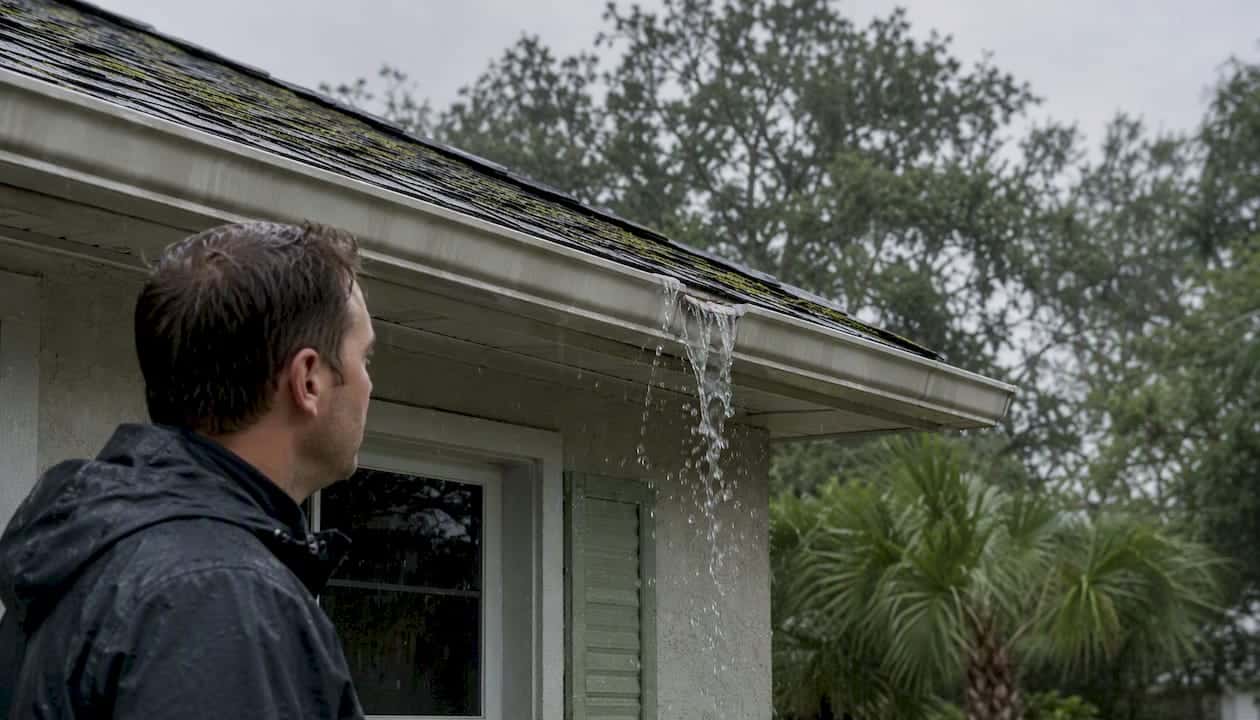
A long run gathers water over a bigger distance, which means the gutter has to carry more of it before the water ever reaches a downspout. During an ordinary rain, that may not be noticeable. During one of those hard Florida downpours that arrives at 4:30 and pounds the house for twenty minutes, the difference becomes obvious.
This is where roofline design affects both performance and budget. More runoff concentration may require more thought about where downspouts belong and where they can discharge without creating a muddy trench or a soggy patch along the slab. In practical terms, that can influence installation complexity, how visible certain parts of the system will be, and whether the surrounding landscaping can handle the volume of water.
It is one reason seamless gutters Williston FL homeowners ask about, or homeowners in other Florida towns compare, tend to come up in drainage conversations. On a long run, fewer joints can mean fewer places where routine leaks might develop over time. That does not make seamless gutters a cure-all, but on rooflines with extended spans, they often make sense as part of a cleaner drainage strategy.
Corners, offsets, and multiple roof sections change everything
Complicated rooflines are common on Florida homes with lanais, front entries, garages, and additions. From a curb appeal standpoint, those features can look great. From a water-management standpoint, they add decisions.
An offset in the roofline can create a spot where water bunches up and changes direction. A short return wall can limit where a downspout can be tucked neatly. A front porch can create a separate drainage zone from the main house. A garage that projects forward may need its own approach rather than being treated as part of the main perimeter run.
These are the jobs where a one-size-fits-all quote usually misses something. Homeowners comparing bids often notice a spread in pricing and wonder why one company is much higher. Very often, gutter installation cost factors Florida residents run into include roofline complexity, not just materials. More corners, more custom fitting, more height changes, and more strategic downspout planning usually mean more labor.
That does not automatically mean the highest bid is the right bid. It does mean the cheapest option can become expensive if it ignores how the roof actually sheds water.
Pool cages and outdoor living areas need special thought
In this part of Florida, many homes are built around outdoor living. Screened enclosures, patios, and pool decks are part of everyday life. That changes the gutter conversation because water cannot just be dumped wherever it is convenient.
Gutter drainage for pool cages is a good example. When a roofline drains toward a screened enclosure or the traffic path around it, poor runoff control can leave messy overflows, splashback, and erosion around the edges of the outdoor space. Even if the problem does not damage the cage itself, it can make the area less usable and harder to maintain.
This is where I usually tell homeowners to stop looking at the roof edge alone and start tracing where the water lands. If a downspout empties where people walk barefoot, where mulch washes out, or where water backs up toward the enclosure during heavy rain, the design needs another pass. The goal is still the same as on the rest of the property: move water away from the house and toward areas that can absorb it. The presence of a pool cage just raises the stakes because the drainage mistakes are more visible and more annoying.
Roof material affects the conversation too
Not every roof surface behaves the same. Even without getting overly technical, it is fair to say that material and profile can influence how water reaches the gutter edge.
That is one reason gutters for metal roofs Florida homeowners consider often deserve a more thoughtful discussion instead of a quick add-on. Metal roofing changes the look of the house, and it can change how runoff behaves at the edge. The gutter choice should suit that roof, not fight it. On some homes, the key question is appearance. On others, it is whether the system is being laid out to catch and direct water cleanly at the eaves.
I would not reduce this to a product slogan. The better approach is to look at the roofline, roof material, and discharge areas together. A handsome gutter that does not fit the roof’s drainage pattern is still the wrong gutter.
Color is not just cosmetic in HOA neighborhoods
A lot of homeowners care about curb appeal, and they should. Gutters sit right at the visual edge of the home, so they can either blend in nicely or stand out in a way that feels accidental.
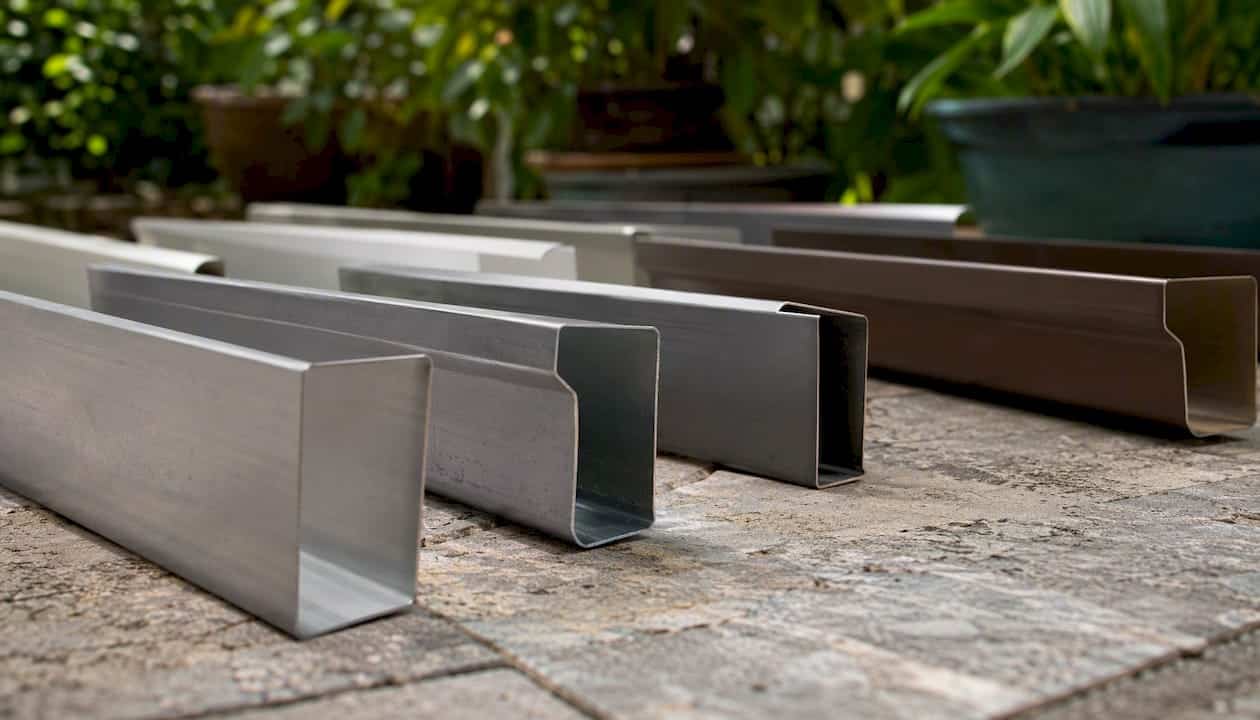
When people ask about gutter colors for Florida homes, I usually steer them toward two questions. First, do you want the gutter to visually disappear into the fascia and trim, or do you want it to frame the roofline? Second, do you live in a community where exterior appearance is reviewed?
That second question matters because Florida HOAs and architectural review committees often have authority over exterior standards. They may review color and style choices for visible exterior components. At the same time, those standards must still comply with applicable code requirements and cannot be used to block a conforming installation just because someone dislikes the look of it. In everyday terms, check the neighborhood rules early, especially if your house sits on a prominent corner or if you are replacing a very visible front elevation run.
Roofline design affects color decisions more than people expect. A simple one-story roofline can hide a lot. A layered roofline with strong horizontal lines makes the gutter more noticeable, which means color mismatch becomes more obvious.
Maintenance gets harder when the roofline gets busier
A straight, accessible roof edge is easier to maintain. Once the roofline becomes more intricate, gutter upkeep becomes more of a real chore.
Florida guidance is clear that gutters and downspouts require maintenance. Leaves, twigs, and general debris can interfere with drainage, and cleaning and repair are part of routine home upkeep. On complex rooflines, debris tends to collect in the spots you would expect: corners, transitions, and places where flow slows down.
That is where the question of DIY gutter cleaning or hire a pro becomes less theoretical. A homeowner with a low, simple roofline and clear access may feel comfortable doing light cleaning. A homeowner with multiple elevations, awkward corners, or https://gutterjournal034.bearsfanteamshop.com/questions-to-ask-a-gutter-contractor-in-alachua-county-before-starting-a-project-1 drainage points above a screen enclosure may decide that hiring out the work is the smarter choice. That is not about fearmongering. It is about judgment.
If you are trying to decide, think less about the gutter itself and more about access. Can you safely reach the trouble spots? Can you see whether downspouts are actually discharging properly? Can you work without damaging adjacent screens, plants, or roof edges? Those are practical questions, and they matter more than bravado.
Gutter guards can help, but they are not a free pass
Homeowners often reach for guards when they get tired of cleaning. That is understandable. Gutter guards Mount Dora FL shoppers compare, and similar products elsewhere in Central Florida, are often marketed as if maintenance is about to disappear forever.
It rarely works that way in real life.
Guards may reduce the amount of debris that gets into the gutter channel, but they do not eliminate the need for inspection. Debris can still build on top, move into trouble spots, or interfere with drainage in ways that are not obvious from the ground. On a complicated roofline, that means guards should be seen as a maintenance tool, not a maintenance substitute.
This is a good place to clear up one of the more persistent gutter myths Florida homeowners run into: the idea that once guards go on, the system no longer needs attention. In Florida’s wet climate, with regular leaf litter and windblown debris, that belief tends to create surprise problems later.
Repairs usually show you where the original design came up short
A lot of good gutter decisions happen after something has already gone wrong. A seam leaks. A section pulls loose. Water spills over one spot every time a storm rolls in. While no homeowner enjoys that process, it often reveals useful information.
When people search for gutter repair Hawthorne FL or gutter cleaning Dunnellon FL, they are usually trying to solve a visible symptom. The better repair visits do something else too: they identify why that area struggles in the first place. Maybe that corner receives more runoff than expected. Maybe the downspout location is fighting the landscape. Maybe the roofline feeds too much water to one section during fast storms.
A repair that ignores the roofline’s drainage behavior can become a repeating repair. The symptom moves, but the pattern stays.
A practical way to look at your own house
If you want to understand whether your roofline and gutters are working together, do not start with a tape measure. Start with observation. The best time to inspect performance is just before, during, and after a strong rain, from a safe location.
Here are a few things worth watching:
- where water visibly overshoots or spills at the edge
- where downspouts empty, especially if the ground stays wet afterward
- whether runoff heads toward the foundation, hard surfaces, or screened living areas
- where mulch, soil, or small stones seem to wash out repeatedly
- whether certain corners collect more debris than the rest of the system
Those signs do not diagnose every issue, but they reveal the patterns. Patterns matter more than isolated drips.
The calendar matters in Florida
Because Florida weather does not really offer a long, reliable off-season for water management, homeowners do better with a rhythm of inspection than with a once-a-year mindset. A year-round gutter checklist Florida homeowners can actually stick to should be simple enough to remember and realistic enough to follow.
A useful rhythm looks like this:
- before the wettest stretch of the year, inspect for clogs and obvious drainage issues
- after major storms, check for overflow marks, erosion, and loose sections
- during fall and winter, clear debris that can collect even without constant rain
- watch discharge areas year-round for pooling near the foundation
- recheck any spots near pool cages, lanais, or planted beds that show repeated washout
That kind of routine fits Florida conditions better than waiting until there is a stain on the fascia or a trench in the flower bed.
Matching the gutter plan to the property
The strongest gutter choices usually come from stepping back and seeing the house as a water system, not just a roof with accessories. The roofline controls where water gathers. The gutters control where it travels. The downspouts control where it lands. The yard determines whether that landing area can absorb the water or turns it into a problem.
For Haines Creek homes, that means the right choice is rarely only about style or brand. A simple roofline may need a straightforward system with well-placed discharge into turf or planted areas. A more complicated home may need extra planning because the roof pushes water toward corners, outdoor living areas, or spots near the foundation where pooling causes trouble. Homes with pool enclosures need especially careful drainage paths. Homes in HOA communities need practical attention to color and appearance as well as function.
If there is one habit worth keeping, it is this: whenever you think about replacing, repairing, or cleaning gutters, look up at the roofline first and down at the discharge area second. The gutter itself is in the middle. That is where a lot of homeowners get tripped up. They focus on the part they can touch and ignore the parts that determine whether it can do its job.
On a Florida home, especially in a place like Haines Creek, water always tells the truth. If the roofline and gutter plan are working together, the property stays cleaner, drier, and easier to maintain. If they are not, the signs show up sooner than most people expect.